
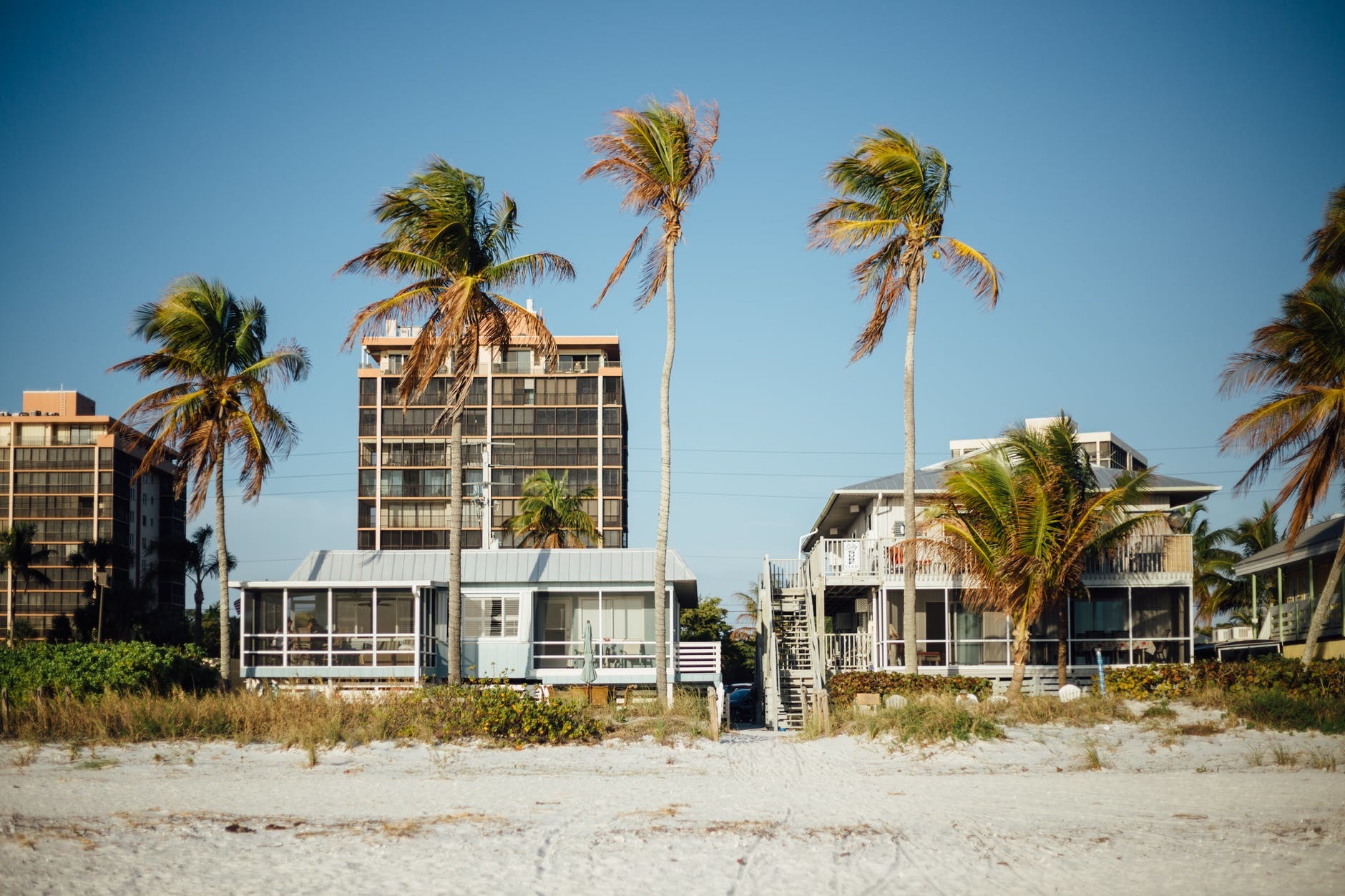
5 Things to Consider Before Buying a Holiday Home
A holiday home or a vacation home is a great addition to your family and gives you many benefits. If you have your own home, you can go on vacation whenever you have some free time from work or other responsibilities. You can also build a sense of community at a vacation location to settle down in the home and have it feel more familiar.
However, before buying a holiday home, there are several things you need to consider. Let’s take a look at some of the things you should keep in mind before making a purchase.
-
Consider the Location
It’s possible that you already have a location in mind and are in love with the idea of some quaint French village or a snowy Swiss town. There is nothing wrong with knowing exactly where you want to buy your holiday home, but keep a few things in consideration and don’t be afraid to change your mind.
What does the location offer you in terms of entertainment and basic necessities? Is the home near some kind of adventure park? Are these activities like skiing or snorkeling nearby? Will you be able to visit bars, shops, markets, and restaurants? Is your home near a beach, lake, or forest? Is there a prominent local community in the area you would like to be a part of? All of these are important things to consider, and you have to weigh the importance of each of these to you before you pick out a location.
-
Who is the Holiday Home for?
The next thing to consider is who will be using the holiday home. If it’s just for you and your partner, a smaller apartment or a section of a house might be more suitable. If you have a big family with kids and pets, maybe a villa or a larger house would be more comfortable. Also, keep in mind whether you would like to invite friends out to vacation with you and if the property would have enough space for whoever you will be taking out with you.
-
Will You Be Renting It Out?
If you think you might only visit the house once or twice a year, you may want to consider renting it out for the remaining months for some extra earning. If you want to rent the home, you will have to look into marketing it and finding the right people to rent to. This would be a lot easier if you hired a property manager. You will also have to consider enough tourist attractions near the home that will draw in renters.
-
What Features of a Home Are You Interested in?
Other than how many people will be staying and consequently how many rooms you will need in your holiday home, there are many other features to consider. Since it is a holiday home and will be used for vacation time, you might want to look into features that will offer you a sense of luxury and relaxation. For example, are you interested in having a pool and hot tub? Do you need central heating and cooling? Are the bathrooms and kitchen equipped with the latest fixtures and appliances? Do you need extra garage space to keep your cars in?
-
Is The Home Easily Accessible?
Another important factor to think about before making any decisions is whether or not the holiday home you’ve shortlisted is easily accessible. It will be ideal if the roads in the area are well-made and easy to navigate. If you are flying to the destination, the airport should not be too far away from your home. If you are close by to a village or community, you should reach it easily on foot or by car.
Sign up for Listing Updates – Island Property Group
The first step towards actually buying your holiday home is to sign up for different sites that offer home listings in your preferred locations. This way, you will always be notified when new properties are listed on the market. You can also compare the different homes and see which ones offer you the features and amenities that you are most interested in.
For example, if you are interested in buying a holiday home in the Bahamas or the surrounding islands, there are so many different properties to choose from and consider. To look at the listings in these island locations, you can visit the Island Property Group. Check out their website https://islandpropertygroup.com/ where you can look at different listings, get referrals, and sign up for email updates about the latest properties.
Frequently Asked Questions
What are the most important things to consider before buying a holiday home in the Bahamas?
Five factors reshape the decision. First, travel logistics — proximity to the nearest international airport and flight connections from your home market. Weekly visits from the US work for Nassau and Bimini; monthly visits work for Abaco, Eleuthera, and Exuma; quarterly visits fit Cat Island, Long Island, and Andros. Second, total cost of ownership — closing costs at 8% to 11% plus annual carry of roughly 2% to 4% of property value. Third, insurance availability — some older Out Island homes cannot obtain hurricane coverage. Fourth, rental intent and the compliance requirements that follow. Fifth, exit strategy — resale liquidity varies widely between Nassau and remote Out Islands.
How do I estimate the true cost of owning a Bahamas holiday home?
Model three buckets separately. Upfront: purchase price plus 8% to 11% closing costs plus any immediate repairs or furnishing. Annual fixed carry: property tax (0.75% to 1.5% of assessed value for investment, capped at $150,000), homeowner insurance ($3,000 to $30,000+ depending on hurricane coverage and location), HOA fees if applicable, utilities baseline even when unoccupied. Annual variable carry: property management, maintenance, pool/landscape service, repairs. If you rent short-term, add 15% to 25% of gross rental revenue for management plus 10% VAT and 10% Hotel Guest Tax remitted to the government. A realistic all-in carry runs 3% to 6% of property value annually.
Can I write off a Bahamas holiday home on my US taxes?
Treatment depends on use. A pure personal-use vacation home allows mortgage interest deduction on the IRS second-home rules (up to combined $750,000 of qualifying mortgage debt with your primary residence) and property tax deduction within the SALT cap. A holiday home rented short-term for more than 14 days per year and used personally more than 14 days or 10% of rental days falls under IRS mixed-use rules, which allow proportional expense deductions but limit losses against other income. A pure rental property unlocks broader deductions and potential passive-activity losses. Consult a US tax advisor before structuring — the rules are unforgiving of mid-year changes.
What if my life changes and I need to sell quickly?
Factor resale liquidity into the original purchase decision. Nassau, Paradise Island, and resort-residence condos with built-in rental programs typically sell within 3 to 6 months in current market conditions. Established Family Island markets like Abaco, Exuma, and Eleuthera typically sell within 6 to 12 months. Remote Out Island homes on Rum Cay, Inagua, Mayaguana, and San Salvador can take 18 months or longer. Pricing to current comparables is critical — overpriced listings sit. Selling costs total 14% to 16% of sale price. If your time horizon might be shorter than 5 years, lean toward the more liquid markets; appreciation alone rarely covers the round-trip transaction cost on a shorter hold.