
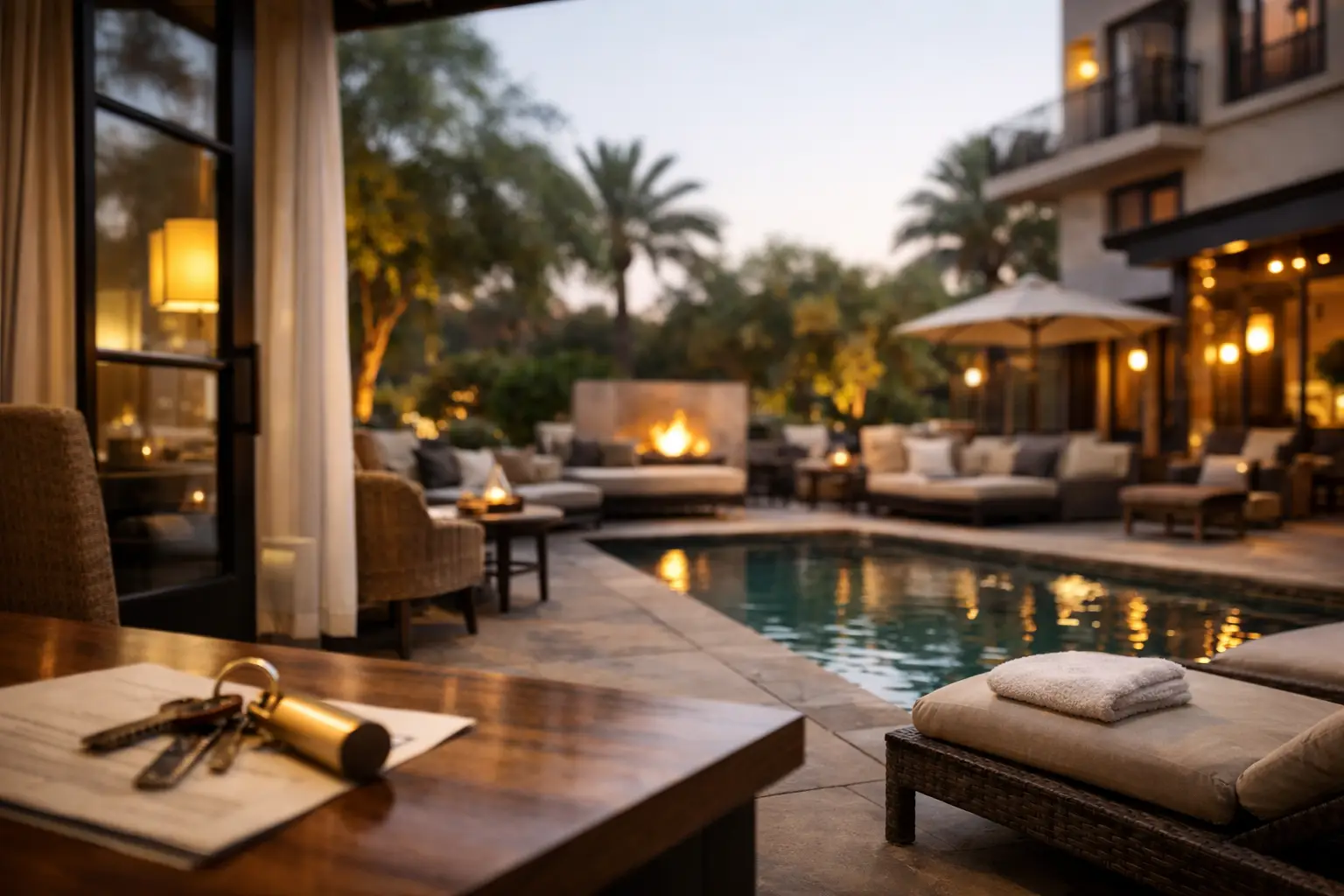
Boutique Hotel Repositioning That Holds Value
A boutique hotel can be beautifully designed, well located, and still fall short of its potential. The issue is often not the asset itself, but the story, guest experience, and operating model surrounding it. Boutique hotel repositioning is the disciplined work of bringing those elements back into alignment – so the property has a clear place in a competitive market and a credible path to stronger long-term value.
For owners, developers, and investors considering Caribbean hospitality assets, this is not simply a design exercise. It is a strategic decision about whom the hotel serves, what guests will pay for, how the property operates, and whether the finished concept belongs in its destination.
Why Boutique Hotels Lose Their Edge
Boutique hotels are especially vulnerable to market drift. A property that once felt intimate and distinctive can become interchangeable as new resorts arrive, traveler expectations change, or the destination develops a more refined hospitality offering.
Sometimes the problem is visual. Guest rooms, public spaces, landscaping, or food and beverage concepts no longer support the rate the owner hopes to achieve. More often, however, the challenge runs deeper. The hotel may lack a defined guest profile, rely too heavily on one season or source market, or offer an experience that could exist almost anywhere.
In the Caribbean, location alone no longer carries a concept. A beachfront hotel in Anguilla, the British Virgin Islands, or Turks and Caicos may have exceptional natural advantages, but guests still compare service, design, privacy, dining, wellness, and the ease of the entire stay. The right repositioning strategy makes a property’s natural strengths feel intentional rather than incidental.
Boutique Hotel Repositioning Starts With a Clear Point of View
The strongest repositionings begin before a single room is renovated. They start with a precise answer to a simple question: what should this hotel be known for?
That answer should be more specific than “luxury.” Luxury is an expectation at the upper end of the market, not a complete concept. A hotel may instead be positioned as a private, design-led escape for couples; a small family compound with residential-style service; an adventure and wellness base; or a discreet retreat for guests who value space, calm, and access to the sea.
The distinction matters because it informs every future decision. It affects room layouts, amenities, staffing, restaurant hours, photography, pricing, distribution, and the partnerships that bring qualified guests through the door. Without this clarity, owners can spend heavily on improvements that look attractive but fail to change the commercial outcome.
A useful positioning statement should identify the ideal guest, the emotional promise of the stay, and the reason that promise is believable in that location. It should also establish what the hotel will not try to be. A 20-key hideaway should not imitate the programming of a 250-room resort, and a quiet island retreat should not build its identity around constant activity simply because that is fashionable elsewhere.
Read the Asset Before Defining the Investment
Not every property needs the same level of intervention. Some hotels need a thoughtful refresh, sharper branding, and an operational reset. Others need room reconfiguration, new food and beverage concepts, expanded wellness facilities, or a complete transition into a different hospitality category.
Owners should assess the property honestly across four connected areas: physical condition, guest experience, operational capability, and market relevance. A compelling arrival sequence or an exceptional beach may be underused. Conversely, a costly restaurant, oversized lobby, or dated room mix may be consuming capital without supporting rates or guest satisfaction.
This is where a disciplined review can protect both capital and identity. It is tempting to start with visible upgrades because they create momentum. Yet a new pool deck will not resolve a service model that feels inconsistent, and a refined brand identity cannot compensate for rooms that lack privacy, comfort, or practical functionality.
The investment plan should distinguish between improvements that are essential to market credibility and enhancements that are merely desirable. In some cases, fewer but more consequential upgrades deliver the stronger result: better bathrooms, more private outdoor space, superior bedding, considered lighting, reliable climate control, and a consistently polished service standard.
Design for the Guest You Want to Attract
A successful boutique hotel does not need to be overdesigned. It needs to feel considered. Guests notice the quality of the materials, the sense of arrival, the ease of moving through a room, and the small details that signal care. They also notice when the design language is disconnected from the setting.
In Caribbean markets, the most enduring concepts tend to respect climate and place. Shaded outdoor living, natural ventilation where appropriate, landscape privacy, locally informed materials, and architecture that frames the water or surrounding terrain can create a sense of distinction that imported design trends cannot replicate.
That does not mean every hotel should look traditionally Caribbean. Contemporary architecture can be highly effective when it is grounded in the site and paired with warm, personal service. The objective is authenticity, not a theme.
Guestroom strategy deserves particular attention. Today’s affluent traveler often expects more than a place to sleep. They value space for a longer stay, privacy for remote work, outdoor showers or terraces when suitable, meaningful storage, and a room that feels residential without losing the pleasures of a hotel. For a small property, even a modest reduction in key count can be worthwhile if it creates larger, more compelling accommodations with greater pricing power.
Operations Are Part of the Repositioning
Repositioning fails when the experience promised in marketing cannot be delivered daily. A hotel’s service culture, staffing plan, technology, maintenance standards, and vendor relationships must support the new position from the beginning.
This is particularly relevant for independently owned properties. The appeal of an independent boutique hotel is often its personality and flexibility, but that freedom requires disciplined execution. Guests may forgive an occasional rain shower or a delayed ferry. They are less forgiving when basic requests are handled inconsistently or when the property’s stated standards disappear at busy periods.
Owners should consider whether the existing operating structure fits the future concept. A more elevated hotel may require stronger leadership, a revised training program, more attentive housekeeping standards, a dedicated guest experience role, or an operator with experience in the intended segment. The right answer depends on the asset. Bringing in a branded operator can add systems and distribution, while preserving independence can protect the property’s character and owner control. Neither path is automatically superior.
Build Demand Before the Relaunch
A repositioned hotel should not wait until opening week to explain itself to the market. The sales and marketing strategy needs to take shape alongside design and operations, not after them.
That means creating a visual identity and messaging that accurately reflect the finished experience, identifying priority feeder markets, and developing relationships with the travel advisors, private wealth networks, lifestyle partners, and hospitality professionals who influence the right audience. For a Caribbean boutique hotel, the objective is not maximum exposure. It is qualified exposure.
Rate strategy should also be grounded in the guest promise. Discounting too early can undermine a repositioning by teaching the market to wait for concessions. At the same time, a property cannot simply declare a new rate because it has installed new finishes. The rate must be supported by the full proposition: location, suite mix, service, amenities, reputation, and the guest’s confidence that the stay will feel worth the premium.
The Value of an Advisor-Led Process
Hospitality assets sit at the intersection of real estate, operations, branding, and destination knowledge. For cross-border owners and investors, the process becomes more complex because every island market has its own supply dynamics, construction considerations, buyer profile, and hospitality rhythm.
A thoughtful advisor can help frame the opportunity before capital is committed: whether the asset is best suited to independent operation, a management relationship, residential conversion elements, expansion, or a future sale to a buyer seeking a differentiated hospitality platform. The goal is not to force a familiar formula onto every hotel. It is to identify the most credible version of the asset and organize the right specialists around it.
Island Property Group works with investors, developers, and owners seeking exceptional hospitality and development opportunities across the Caribbean through one experienced, independent relationship. For a boutique hotel owner, that perspective can be especially valuable when a property’s next chapter requires both regional insight and discreet international reach.
The most successful repositionings make a hotel easier to understand, easier to operate, and more difficult to replace. Before approving the next design package or capital plan, ask whether every decision makes the guest promise clearer. If it does, the property is moving toward a position the market can recognize and remember.