
The Best Practices for Buying the Property of Your Dreams in Bahamas Real Estate
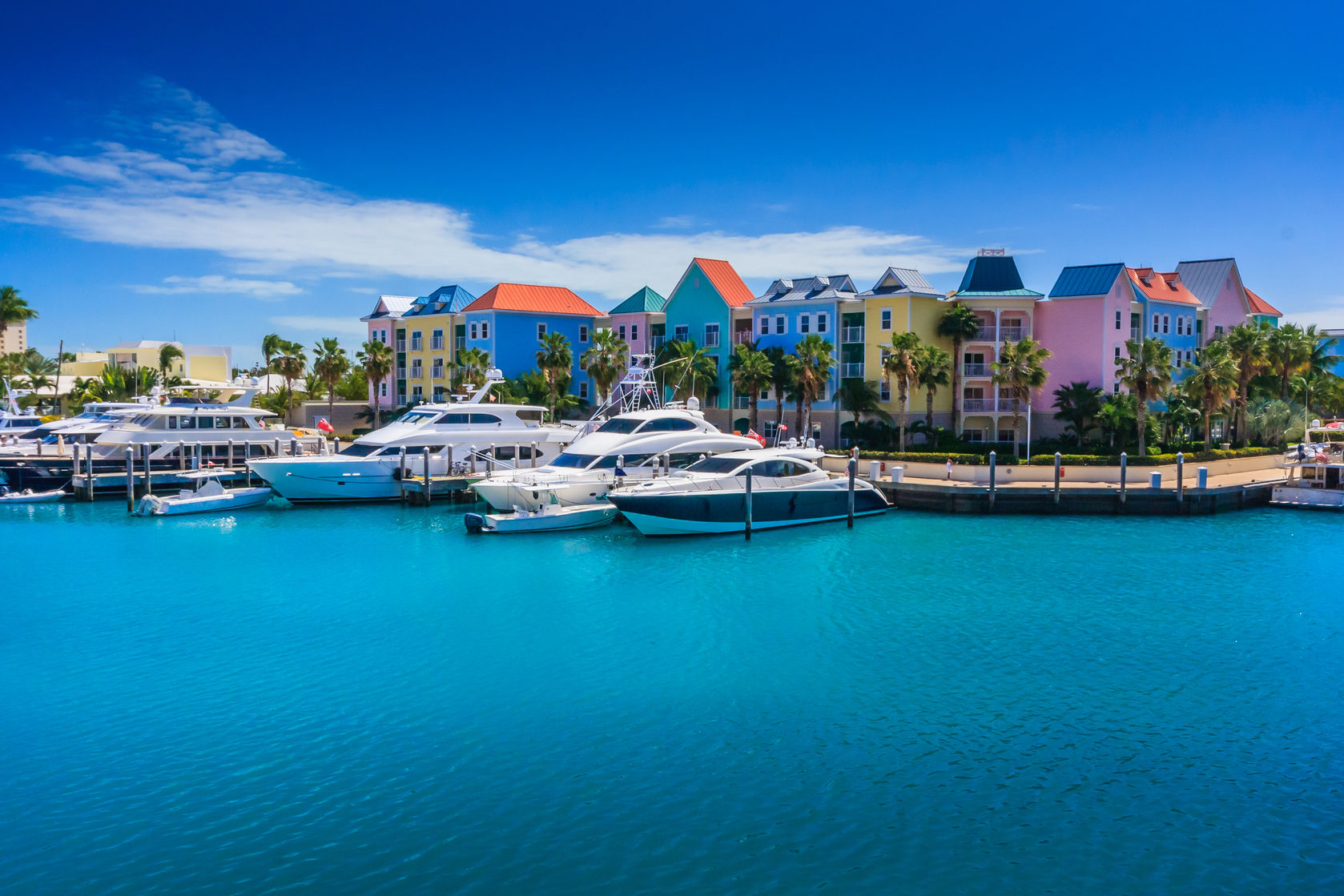
The pandemic is changing everything and impacting the real estate industry like no other time in history. The Bahamas is going through similar challenges that began before the lockdowns, mandatory quarantines, and restrictions. In 2019, Hurricane Dorian created a shortage of available homes on the markets from the widespread damage and destruction. Last year the pandemic made things worse where sales fell by 17%, and inventories declined by 30%. Things are improving in the markets this year, and you have the opportunity to own Bahamas real estate for a fraction of the costs. Before you start aggressively entering the market, you must know some tips and tactics to find the best homes for sale in the Bahamas. The knowledge you gain makes things easier in locating a property that is attractively priced with your favorite amenities.
Rentals
Rentals are one of the most effective ways to maximize your return on your investment when it comes to real state in the Bahamas. Since the beginning of the year, arrivals are increasing, and more people are coming to the Bahamas.
There are two main categories to include short-term and common rentals with regulations favoring landlords. Both are negotiated between the tenant and landlord about the price and terms, and conditions. Short-term rentals require a deposit and reservation fee ranging from 20% to 55% of the total price. Common rentals involve a security deposit, the first, and last month’s rent. These properties offer lucrative benefits for generating income and increasing your overall returns on the property. If someone does not pay the rent, you don’t have to go to court to obtain an eviction order. Instead, you can call the police, explain the situation, and they will remove the unwanted party from the property. The landlord-friendly rental market makes it easy to take advantage of tourism increases in the post-Covid-19 environment.
Know the Areas
One of the most critical things, if you are looking to invest in Bahamas real estate, is to know which areas provide the highest potential for appreciation. Not all communities are the same, and just because it looks nice does not mean that you will see the increases you want. For example, the high-end communities such as Old Fort Bay and Ocean Club Estates see 16% yearly increases. Cable Beach and Sandy Port are even more significant than this, with appreciation levels going up 19.8%. Other high-end communities such as Lyford Cay and Port New Providence see prices fall between 6% and 15%. Knowing what areas to search for homes for sale in the Bahamas is the key to finding the right one. Doing some research and asking questions helps you to locate properties that increase in value and are suitable long-term investments.
Know Your Budget
In some of the upper-end communities, real estate in the Bahamas can get very expensive and out of the budget for some people. These are located in gated communities with boat docks; canals, security guards, and landscaping are included. Some good examples of this are Fort Bay and Sandy Port, where prices rise the fastest in the Bahamas. The prices range from $700 thousand to $1 million in these areas versus what you are receiving in others.
Knowing your budget and what you can spend is the key to selecting a location that meets your expectations for your affordability and is secure. These are some of the most significant factors you need to consider when looking at properties in the Bahamas.
Contact Island Property Group Today
These tips and tactics make it easier to find your ideal piece of Bahamas real estate that matches your needs. Call Island Property Group today at 407-361-5604 and see how they can help you to find the home of your dreams. Paradise is just a phone call away, and we’re here to help you find it
Frequently Asked Questions
What are the best practices for buying property in the Bahamas?
Five principles separate good Bahamas purchases from regretted ones. First, use a BREA-licensed real estate agent who works the specific island market you’re targeting — Out Island inventory is not fully visible on aggregator sites. Second, engage a Bahamian attorney experienced with foreign buyer transactions before signing anything; the attorney runs the title search and handles International Persons Landholding Act registration. Third, inspect the property physically; photos mislead in island markets. Fourth, verify hurricane insurance is available and priced before committing — some older Out Island homes struggle to obtain coverage. Fifth, model total closing costs at 8% to 11% of purchase price, not just the offer price.
How do I verify title on a Bahamas property?
Your Bahamian attorney conducts a title search through the Registrar General’s Department, tracing ownership back through the conveyance chain. Unlike many US jurisdictions, the Bahamas does not use a title insurance system — the attorney’s opinion letter is the primary assurance. Family Island properties occasionally have title chain gaps dating back decades that require additional research to clear; factor extra time for these. All conveyances must be properly stamped and registered at the Registrar General’s Department to be legally effective. Outstanding Real Property Tax creates a first charge on the property and must be settled at closing.
What is the typical timeline from offer to closing?
60 to 90 days for a standard cash transaction. The sequence: offer accepted and written contract signed → 10% deposit held in buyer’s attorney’s escrow → title search and conveyance drafted (2 to 4 weeks) → International Persons Landholding Act registration prepared → conveyance signed and VAT stamped → final registration at the Registrar General’s Department → keys delivered. Financed transactions take longer because Bahamian bank underwriting for non-residents can run 90 to 120 days. Transactions involving parcels over five acres or commercial use require a prior permit from the Investments Board, adding another 3 to 6 months.
What mistakes do first-time Bahamas buyers make?
Three recurring ones. First, assuming US-style title insurance exists — it doesn’t, so the attorney’s diligence is everything. Second, underestimating total closing costs. The 10% VAT is often negotiated to 50/50 split, meaning buyer-side VAT is 5% plus legal fees at 2.5% to 3.5% plus 10% VAT on legal fees, which quickly lands total closing costs at 8% to 11% of purchase price. Third, skipping the hurricane insurance check pre-offer. Some older or Out Island homes cannot obtain comprehensive coverage, or quotes come in at levels that destroy the investment thesis. Verify insurance feasibility before you commit.