
What Everyone Ought to Know about Bahamas Real Estate
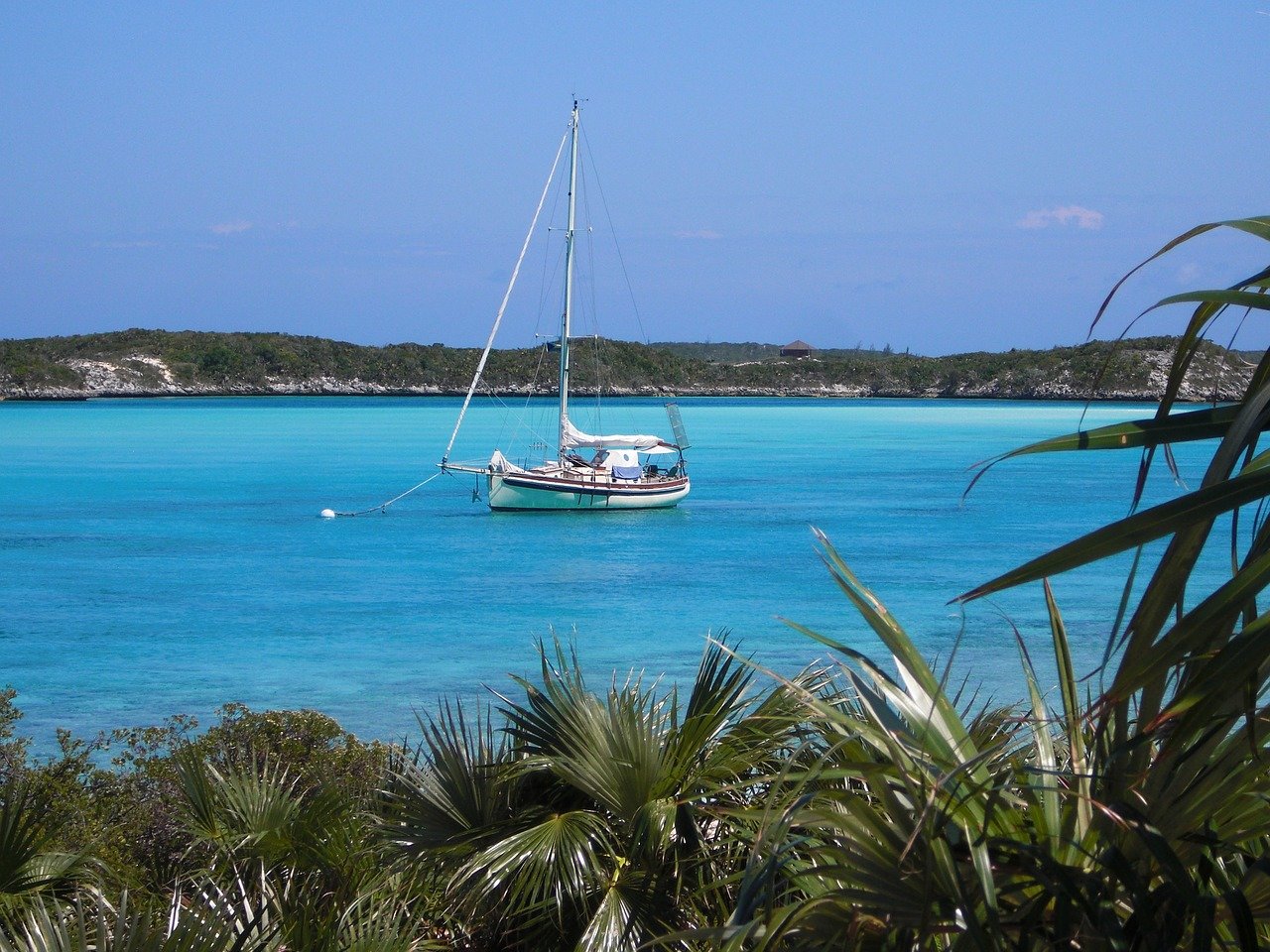
For many people, the Bahamas is a land of pristine beauty and it offers tremendous opportunities. Located just off of the Florida Keys, the chain of islands is one of the most popular destinations for tourists and investors. It shares a cultural history with the US, democratic governments going back 300 years, and one of the highest GDP levels in the Western hemisphere. The market is stable, close, and lucrative for people who want to purchase Bahamas real estate. Before you start looking at properties, it is critical to know the ins and outs of the market. These factors make you informed about what it takes to own a property and the expectation throughout the process.
Facts about Buying Bahamas Real Estate
Any US citizen can purchase property in the Bahamas with no limitations because of their country of origin. The only exception is if you intend to buy more than 2 acres or use it as a rental or turn it into a commercial enterprise. In these situations, you must have a permit from the government to buy the property. These and other facts are critical in successfully navigating the markets to find the ideal property. There are several areas you need to know about to make the best decisions including the procedures of buying, legal costs, taxes, and residency.
The Process of Buying Real Estate
Buying real estate in the Bahamas requires following several steps to ensure everything goes smoothly including making the offer, signing the contract, and registering it. Making an offer begins by searching for a property through a realtor and narrowing it down to the one you want. It is at this point when you need to find a local attorney and have them create a real estate contract to purchase. After everything is signed with the other party, you need to leave a 10% down payment on the property. Then, transfer the balance of the funds to complete the purchase to the seller. You are required to pay 50% of the stamp taxes and the closing costs at this time. Next, you need to register the property with the Exchange Control via the Central Bank of the Bahamas. It is to make sure that when you decide to sell it, you can easily transfer the proceeds out of the country in US dollars.
Legal Costs
It is a good idea to hire a local real estate attorney that knows the market. They can guide you through the process of buying and create the necessary paperwork for the transaction. The legal fees are 2.5% of the total purchase price and it is due at closing. It is split between the buyer and seller, with both parties using them to complete the transaction.
Residency
US citizens can stay in the Bahamas for eight months without a visa. If you are plan on staying longer and buying property, you can apply for a Home Owners Resident Card through the Department of Immigration. It allows you and your family to stay in the Bahamas for the length of time on the permit. Anyone buying property over $750 thousand is eligible to receive a Permanent Resident Permit.
Contact Island Property Group to Learn More!
American citizens can own Bahamas real estate but must follow certain practices to make the process go smoothly. There are several areas to focus on including the procedures of buying, legal costs, taxes, and residency. When you follow them, you will find the process much easier and stay at your dream home longer. No matter what area you’re interested in or what kind of questions you have about residency or purchasing real estate in the Bahamas, the Island Property Group can help!
Frequently Asked Questions
What taxes do I pay when I buy Bahamas real estate?
One main tax: 10% VAT on conveyance, replacing the older stamp duty system. Foreign buyers pay the flat 10% rate regardless of purchase price; Bahamian citizens pay graduated rates as low as 2.5%. By Bahamian convention, this VAT is split 50/50 between buyer and seller, though the split is negotiable in the purchase contract. On a $1 million foreign purchase, the total VAT is $100,000 — typically $50,000 each for buyer and seller. There is no capital gains tax when you later sell, no inheritance tax when you pass the property to heirs, and no income tax on rental proceeds.
What ongoing costs should I expect after buying?
Four recurring costs. Annual Real Property Tax applies based on assessed value and property classification — under the RPT Amendment Act No. 43 of 2025, non-owner-occupied properties pay 0.75% to 1.5% with no cap on commercial properties, while owner-occupied properties pay 0% on the first $300,000 and are capped at $150,000 annually. Homeowner insurance including hurricane coverage is strongly advised and can run $3,000 to $15,000+ per year depending on location and replacement value. HOA fees apply in gated communities and condo developments. Property management fees typically run 10% to 20% of rental revenue for absentee owners who rent.
Can foreigners really own Bahamas property outright?
Yes, under freehold title with the same legal rights as Bahamian citizens. The International Persons Landholding Act of 1993 simplified foreign ownership: non-Bahamians buying a single-family home, condo, or residential parcel under five acres need only register with the Investments Board after closing — no prior government approval. Parcels of five acres or more, or purchases intended for commercial use, require a prior permit from the Investments Board. Freehold title means you own the land itself, not a leasehold interest, and the title passes to your heirs without local inheritance tax or probate complications.
Does buying Bahamas property give me the right to live there?
Not automatically. Property ownership and immigration status are separate. Every buyer of a second home can apply for an Annual Homeowner’s Residence Card at $500 per year, which permits year-round entry and stays for the owner, spouse, and minor children. Buyers of property valued at $1 million or more qualify for Economic Permanent Residence — a lifetime status requiring the investment be held for 10 years and the holder spend at least 90 days per year in the Bahamas. Purchases of $1.5 million or more receive accelerated processing. Permanent Residence does not grant the right to work; separate work permit rules apply.