
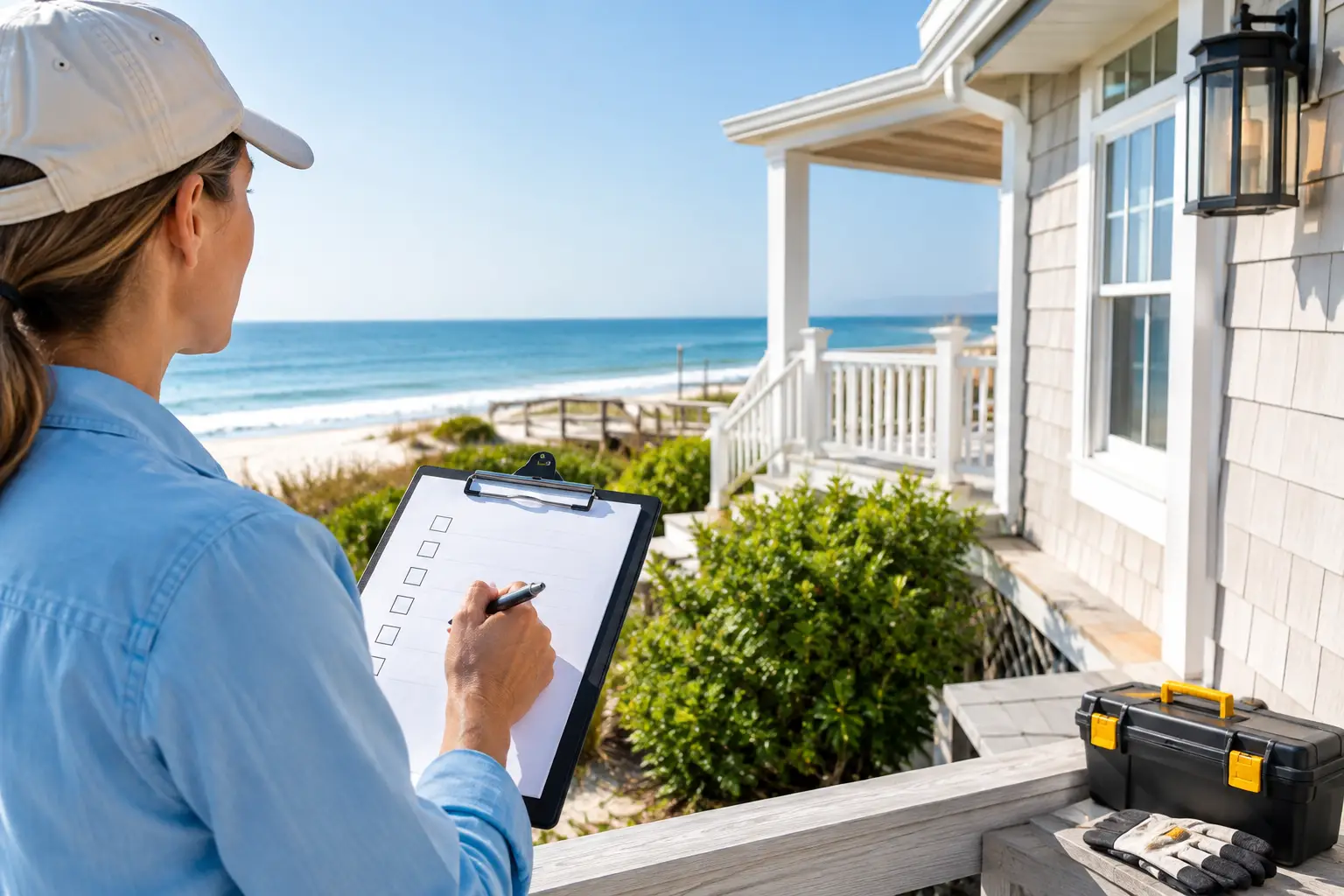
Beachfront Home Maintenance Checklist for Owners
A beachfront residence asks more of its owner than an inland home. Salt travels farther than the shoreline, intense UV exposure weakens finishes quickly, and humidity can turn a minor maintenance lapse into a visible and expensive issue. A disciplined beachfront home maintenance checklist protects the comfort, presentation, and long-term condition of a Caribbean property, whether it is a private villa, branded residence, rental home, or part-time retreat.
The right routine is not about reacting to problems after they appear. It is about putting trusted local professionals, clear inspection intervals, and practical preventive care in place before the environment has an opportunity to cause damage.
Start With a Maintenance Calendar, Not a To-Do List
Coastal maintenance is cumulative. A corroded hinge, a blocked drain, or a failed seal around a window may seem minor on its own. In a humid, salt-air setting, however, each can lead to larger problems if left unattended for a season.
Create a calendar that separates weekly visual checks, monthly service visits, quarterly inspections, and annual specialist reviews. The exact rhythm depends on exposure. A home directly on the water, especially one facing prevailing winds, needs more frequent attention than a residence set back behind vegetation or elevation. Properties that sit vacant for extended periods also require a more active caretaker schedule than homes occupied year-round.
Your property manager should document each visit with dated photographs, service notes, and a record of materials or parts replaced. This is particularly valuable for owners who live abroad. It provides visibility, helps identify recurring concerns, and supports a more organized approach when larger capital improvements are needed.
The Beachfront Home Maintenance Checklist: Exterior Priorities
The exterior carries the greatest environmental burden. Begin with freshwater rinsing of surfaces exposed to salt spray. Railings, gates, outdoor furniture, light fixtures, shower hardware, pool equipment, and air-conditioning condensers all benefit from regular rinsing. Do not use high pressure indiscriminately. It can force water behind seals, strip finishes, and damage softer stone, stucco, or wood.
Inspect metal components closely for early corrosion. Stainless steel performs well near the sea, but its grade, finish, installation quality, and maintenance all matter. Tea staining or surface rust should be addressed promptly rather than covered up. Hinges, fasteners, screws, window hardware, decorative fixtures, and concealed brackets deserve the same attention as highly visible railings.
A quarterly exterior inspection should cover these key areas:
- Roof coverings, flashings, gutters, downspouts, and drainage channels
- Windows, doors, shutters, screens, seals, locks, and weatherstripping
- Exterior paint, stucco, masonry, wood trim, decks, and stone surfaces
- Railings, gates, pergolas, exterior lighting, and outdoor kitchens
- Driveways, walkways, retaining walls, and any signs of erosion or standing water
Drainage deserves particular attention. Tropical downpours can expose weaknesses quickly, and water that pools near the foundation, terrace doors, or pool deck should never be treated as merely cosmetic. Clear leaves, sand, and debris from drains regularly. If runoff patterns change after landscaping work or a major storm, have the site assessed before water finds a path into the structure.
Protect Systems That Work Hard in Tropical Conditions
Air conditioning is not simply a comfort system in a beachfront home. It is a moisture-management system. When a residence is closed for weeks or months, dependable air conditioning, dehumidification, and ventilation help protect millwork, furnishings, artwork, electronics, and interior finishes from mold and excess humidity.
Have filters changed and condensate lines inspected on a regular schedule. Coils, drain pans, insulation, and outdoor units should be serviced by technicians familiar with marine environments. Salt buildup can shorten equipment life, while blocked condensate lines can lead to water damage inside ceilings or walls. Smart monitoring for temperature and humidity offers an added layer of oversight, particularly for absentee owners.
Plumbing also needs proactive care. Inspect under sinks, behind toilets, near water heaters, and around appliance connections for slow leaks. Run seldom-used fixtures during property checks, test shutoff valves, and confirm that water pressure remains consistent. A leak detection system can be a sensible addition for a high-value residence, but it does not replace in-person inspections.
Electrical components should be examined for corrosion, moisture intrusion, and proper operation. Exterior outlets, landscape lighting, generators, pool equipment, and dockside systems, where applicable, are especially exposed. Use qualified local service professionals who understand the construction practices, electrical standards, and weather patterns of the island.
Give Pools, Landscaping, and Outdoor Living Areas Their Own Plan
Outdoor amenities are central to the appeal of Caribbean ownership, and they require regular care to remain inviting. Pool chemistry, filtration, water level, coping, tile, and equipment should be checked at least weekly when the property is occupied or actively rented. During vacancies, a reduced but consistent service schedule is still essential. Neglect can affect not only water clarity but also surfaces, pumps, and surrounding hardscape.
Saltwater pools have their own maintenance requirements. They are often appreciated for their swimming experience, but they still require balanced chemistry and close attention to corrosion-resistant components. The same principle applies to outdoor showers, kitchen appliances, and fire features: luxury finishes need the right cleaning methods and replacement parts, not occasional attention from a general handyman.
Landscaping should be maintained for both beauty and protection. Trim trees away from roofs and power lines, keep vegetation from trapping moisture against walls, and inspect irrigation heads for overspray onto windows, stone, or exterior finishes. A landscape team should also watch for drainage problems, pest activity, and weakened palms or branches before periods of stronger weather.
Prepare Before the Weather Changes
Every island has its own seasonal patterns, and a residence in Turks and Caicos may have different priorities from one in Barbados, St. Barts, or the British Virgin Islands. Your maintenance plan should reflect the property’s exact location, construction, elevation, and exposure rather than relying on a generic regional schedule.
Before a period of heavier weather, review roof attachments, shutters or impact protections, exterior furniture storage, drainage, generators, and communications systems. Confirm that the property team has current owner contacts, vendor contacts, access instructions, and authority for urgent repairs. Photograph the property’s condition before major weather events and again afterward, even if no immediate damage is apparent.
For vacant homes, establish a clear arrival and departure protocol. Before leaving, owners should secure outdoor furnishings, check windows and doors, adjust climate controls, test monitoring systems, and verify that the caretaker understands the inspection schedule. Upon return, do not assume everything is fine because the home appears undisturbed. Walk the exterior, check ceilings and closets, run plumbing fixtures, inspect appliances, and review the service log.
Plan for Replacement, Not Just Repair
A sophisticated maintenance strategy includes a reserve for predictable replacement. Coastal conditions can shorten the useful life of paint systems, exterior hardware, air-conditioning equipment, waterproofing, furnishings, and electronics. The objective is not to replace everything prematurely. It is to avoid the false economy of extending a failing component until it affects adjacent finishes or disrupts occupancy.
Keep a property manual with warranties, paint colors, finish specifications, equipment models, vendor details, and maintenance history. This is useful for your own team and adds credibility when the time comes to sell. A well-documented residence signals thoughtful ownership to prospective buyers and their advisors.
For investors, maintenance planning should also align with the property’s rental calendar. Schedule disruptive work during lower-occupancy periods whenever possible, and keep a short list of approved vendors who can respond quickly without compromising standards. The lowest quote is not always the best value in an environment where workmanship and appropriate materials matter.
Choose Local Oversight With Real Accountability
The best beachfront properties are maintained through relationships, not reminders. A trusted property manager coordinates the right specialists, notices small changes before they become costly, and communicates with the level of discretion expected of a luxury home.
Island Property Group understands that ownership in the Caribbean extends well beyond acquisition. The strongest long-term experience comes from pairing an exceptional property with a clear operating plan, experienced local oversight, and a maintenance standard worthy of the setting.
A coastal home should feel effortless when you arrive. That ease is created quietly through consistent care, informed decisions, and the confidence that every detail has been considered before it demands your attention.