
Buying Property in the British Virgin Islands: Your Guide to Island Living and Ownership Costs
By Monica Wood | Island Property Group
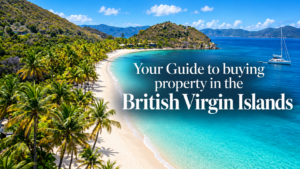
There is something unforgettable about arriving in the British Virgin Islands by water. Hills rise above sheltered bays, sailboats move between the islands, and homes seem to belong to the landscape around them. For many buyers, owning a place here means having the freedom to return to that feeling whenever they choose.
If you are considering buying property in the British Virgin Islands, the experience begins with finding a home that fits your life. You may picture a villa built into Virgin Gorda’s dramatic boulders, a hillside retreat with room for visiting family, or a waterfront home close to the boating life you love.
The BVI can also offer an attractive local tax environment. Still, a purchase deserves careful planning. Foreign buyer permissions, stamp duty, annual expenses, and taxes in your home country all belong in the conversation before you make an offer.
Why Buy a Home in the British Virgin Islands?
The BVI invites a slower, more personal kind of luxury. One day might begin with coffee above the sea and end with dinner after a day on the boat. A home here can be a gathering place for family, a quiet seasonal escape, or a retreat you return to for years.
The properties themselves are varied. Some embrace elevated views and steady trade winds. Others place you closer to a marina, a beach, or the services you will use regularly. The best choice depends on how you want to spend your time on the islands, not simply which listing has the most striking photographs.
Before you begin touring, make a short list of priorities. Think about privacy, boating access, guest accommodations, ease of travel, and whether you intend to rent the home when you are away. Those answers will help narrow the search to properties that work in everyday life as well as on vacation.
Can Foreign Buyers Own BVI Property?
Yes. Foreign buyers can purchase real estate in the British Virgin Islands. Buyers who do not have Belonger status generally need a Non-Belonger Land Holding Licence. A qualified BVI attorney can explain the application, review the purchase agreement, and advise you about any conditions that may apply to the property or your intended use.
Because the licence is an important part of the transaction, address it early. Your attorney can help structure an offer with the necessary conditions and guide the purchase through title review, approval, and closing.
Look Beyond the Listing Photos
A beautiful view may bring you to a property, but the details determine how comfortably you can own it. During due diligence, ask your local advisers to review the legal title, surveyed boundaries, rights of access, and any restrictions affecting the land.
Then consider the practical side of island ownership. How will you reach the home? What are its utility arrangements? What will it cost to insure and maintain? If you will be away for months at a time, who will prepare the property before you arrive and care for it after you leave?
These questions are especially valuable for buyers who are comparing an established villa with undeveloped land or a home they hope to renovate. A clear picture of the property’s condition and ongoing needs gives you more confidence in the decision.
Understanding the BVI Tax Appeal
The BVI does not generally impose a local capital gains tax or inheritance tax. For buyers thinking about long-term ownership and family plans, that may be an appealing feature of the territory. It does not, however, determine every tax consequence of owning the home. Your tax residence and ownership structure matter.
For example, U.S. citizens and U.S. tax residents generally report worldwide income, including foreign rental income. They should also obtain U.S. tax advice before assuming that a future gain on the sale of a BVI home will be free of U.S. tax. Buyers from other countries should seek advice under the rules that apply to them.
The most useful way to think about the BVI’s tax advantages is as one part of your personal ownership plan. Review them with qualified advisers alongside the home’s purchase costs and your long-term goals.
Budgeting for Stamp Duty and Closing
Stamp duty is one of the most important costs for a foreign buyer to understand. BVI government guidance generally lists a 12% rate for non-Belonger property transfers, although the applicable rate can depend on the transaction. Ask your BVI attorney for a written estimate based on the property and proposed ownership arrangement before you finalize your budget.
Your closing budget should also allow for legal fees, inspections, and other property-specific expenses. If you plan improvements, discuss permits, construction access, and realistic timelines before assuming a renovation can begin immediately after closing.
Planning for the Cost of Ownership
The BVI charges annual property tax on land and houses. Have your attorney check the property’s assessment and confirm that the seller’s taxes are current. Then build a realistic annual budget for insurance, maintenance, utilities, landscaping, and local property care.
If rental income is part of your plan, investigate it before you buy. Permission to rent may depend on the property’s landholding licence and other requirements, while short-term stays may be subject to hotel accommodation tax. A local property manager can also help you estimate operating costs and the work involved in welcoming guests.
A More Personal Way to Find Your Place
Buying in the BVI is about choosing how you want to live when you are there. Some buyers want a home that opens to a sweeping horizon. Others want to step easily onto a boat, host a houseful of friends, or settle into a peaceful space that feels entirely their own.
At Island Property Group, we begin with that vision. We help you explore properties that fit your goals and connect you with trusted local partners who can guide the legal, financial, and practical steps of a purchase.
Ready to explore homes in the British Virgin Islands? Contact Island Property Group and tell us what your ideal island day looks like.
This article is general information, not legal or tax advice. Rules, rates, and individual obligations can change. Consult a qualified BVI attorney and a tax adviser in your country of residence before purchasing.
Frequently Asked Questions
Can Americans buy property in the BVI?
Yes. Americans can purchase BVI property, but buyers without Belonger status generally need a Non-Belonger Land Holding Licence. A BVI attorney can advise on the approval process for your purchase.
How much stamp duty does a foreign buyer pay?
BVI government guidance generally lists a 12% rate for non-Belonger property transfers. Ask your attorney to confirm the rate and calculate the amount for your specific transaction.
Is there capital gains tax when I sell a BVI home?
The BVI does not generally impose a local capital gains tax. Your country of tax residence may still tax a gain, so obtain advice based on your personal circumstances before buying or selling.
Can I rent out by BVI Property
Rental use may be possible, but check the landholding licence conditions and applicable operating requirements first. Short-term accommodation may also be subject to hotel accommodation tax.
Does buying property give me BVI residency?
Owning property and having permission to reside in the BVI are separate matters. Seek immigration advice if you hope to spend extended periods in the territory.
What should I review before making an offer?
Ask your advisers to review title, boundaries, access, the property’s condition, insurance options, annual costs, and any restrictions affecting your plans to renovate or rent.