
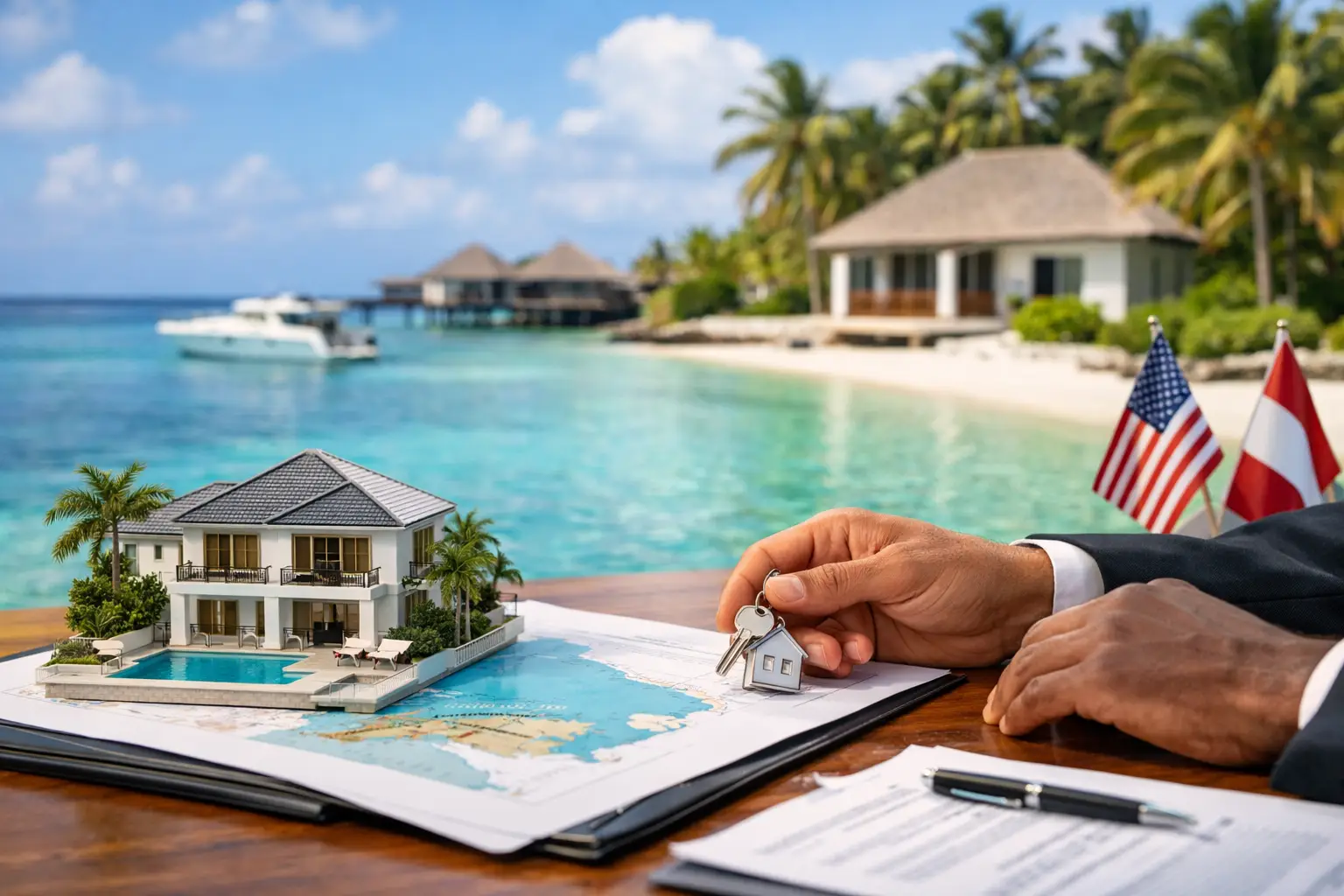
Can Foreigners Buy Property in the Bahamas?
A waterfront purchase in Nassau or a private retreat in the Exumas can feel refreshingly straightforward compared with other international markets, but the right first question is still the same: can foreigners buy property in the Bahamas? Yes, they can – and that is one of the reasons The Bahamas remains such a strong draw for second-home buyers, investors, and globally mobile families.
The opportunity is real, but so is the need for precision. The Bahamas is generally welcoming to foreign ownership, yet the experience differs depending on what you buy, how you plan to use it, and how the acquisition is structured. For buyers at the luxury end of the market, the difference between a smooth closing and an avoidable complication usually comes down to local guidance, proper due diligence, and a clear ownership strategy from the start.
Can foreigners buy property in the Bahamas without restrictions?
In practical terms, yes – foreign individuals and entities can buy real estate in The Bahamas. There is no blanket prohibition on non-Bahamians owning homes, condos, vacant land, or certain investment assets. That openness is part of the market’s appeal, especially for US buyers who want a nearby island destination with established legal frameworks and strong international recognition.
That said, “without restrictions” would overstate it. The Bahamas allows foreign ownership, but certain purchases trigger registration or permit requirements under government policy. The details depend on factors such as the size of the property, whether it is a single-family residence, and whether the buyer intends to rent it out or pursue commercial activity.
For many lifestyle buyers purchasing a private residence for personal use, the process is relatively manageable. For buyers acquiring larger parcels, income-producing assets, or properties intended for rental operations, the regulatory steps can become more involved. This is where experienced local counsel and advisor-led transaction management matter.
What foreign buyers are typically allowed to purchase
Foreign buyers commonly purchase condominiums, single-family homes, luxury villas, and beachfront estates across markets such as Nassau, Paradise Island, Lyford Cay, Old Fort Bay, Eleuthera, Harbour Island, and the Exumas. Branded residences and resort-linked properties are also a frequent entry point because they often pair ownership with lifestyle amenities, rental management options, and a structure that international buyers find familiar.
Vacant land can also be acquired, though undeveloped parcels require more caution. A beautiful site may present infrastructure, access, zoning, shoreline, or utility issues that are not obvious during an initial viewing. In island markets, two properties with similar views can have very different development realities.
Commercial and hospitality-oriented acquisitions are possible as well, but they require a more strategic review. Buyers considering boutique resorts, multifamily income assets, marinas, or development land are stepping into a category where approvals, use restrictions, operational planning, and local economic considerations become far more relevant.
When a permit or registration may be required
The Bahamas distinguishes between straightforward owner-use acquisitions and purchases that have a larger scale or business element. If a foreign buyer acquires a home or condominium for personal use, the process may involve post-purchase registration rather than a difficult pre-approval route. However, the specific filing requirements should always be confirmed against the latest rules and the facts of the transaction.
If the property exceeds a certain acreage threshold, or if the intended use includes rental income, development, commercial activity, or other investment purposes, a permit may be required. The same is true in cases where the transaction structure or land use raises wider policy considerations.
This is one of the most common areas where buyers make assumptions. A residence that seems purely lifestyle-driven can shift into a regulated category once short-term rentals, guest accommodations, subdivision plans, or redevelopment ambitions enter the picture. The purchase itself may be allowed, but the approval path may change.
The buying process is familiar, but not identical to the US
The transaction process in The Bahamas will feel recognizable to many US buyers, though there are important local distinctions. Once a property is identified and terms are negotiated, the deal typically moves into contract, deposit, due diligence, title review, and closing.
A Bahamian attorney plays a central role. Legal counsel typically handles title investigation, document preparation, government-related filings, and closing coordination. This is not a market where buyers should rely on assumptions carried over from domestic purchases. Title, boundary verification, planning considerations, and ownership history need careful review.
Due diligence should also extend beyond the legal file. In luxury island real estate, buyers should look closely at shoreline setbacks, beach access, utility reliability, storm resilience, insurance implications, homeowners association rules, marina rights if relevant, and any limitations on rentals or renovations. A property can be exceptional from a lifestyle standpoint and still require a more deliberate operating budget than expected.
Taxes, fees, and ownership costs
Foreign buyers should expect acquisition costs beyond the agreed purchase price. These typically include legal fees, stamp duty or VAT-related transfer costs depending on the transaction structure and prevailing rules, and recording or registration expenses. The exact split of costs between buyer and seller can vary by contract.
There are also ongoing property taxes to consider. The Bahamas has real property tax rules that differ based on use and ownership category, and owner-occupied treatment may not apply in the same way it would for a Bahamian resident. Luxury buyers should review the recurring tax profile early, especially if they are comparing The Bahamas with other Caribbean jurisdictions.
Insurance is another significant line item, particularly for waterfront and hurricane-exposed property. Premiums can vary widely based on construction type, elevation, protective features, and island location. For high-value homes, this is not a detail to leave until the final days before closing.
Should you buy personally, through an LLC, or another entity?
This depends on your goals. Some buyers prefer personal ownership for simplicity. Others use a corporate vehicle, trust, or estate-planning structure to support privacy, succession, liability management, or multi-jurisdictional tax planning.
There is no single best answer. The right structure depends on how the property will be used, whether family members will share ownership, whether rental income is expected, and how the asset fits into a broader wealth plan. What matters is aligning the ownership vehicle with legal, tax, and inheritance advice before the contract is finalized, not after.
For affluent buyers, this is often where a concierge-style approach adds real value. The property itself may be the easy part. Coordinating counsel, tax advisors, insurance specialists, and local transaction professionals is what creates a clean acquisition.
Why buyers choose The Bahamas in the first place
The Bahamas remains compelling not simply because foreigners can buy there, but because the market sits at a rare intersection of accessibility, prestige, and lifestyle. For US buyers, the ease of travel is a major advantage. So is the range of inventory, from turnkey marina-front residences to private beachfront estates and resort-branded homes with managed services.
There is also a meaningful difference between buying on paper and buying well. Some buyers prioritize privacy and secure communities. Others want rental performance, marina access, walkable resort amenities, or land with long-term appreciation potential. The right island and asset type depend on what you want the property to do for your life and portfolio.
That is why serious buyers tend to move away from broad online browsing fairly quickly. The Bahamas is not a market where every valuable opportunity is obvious, and not every listing tells the full story. Advisory support matters because the best purchase is not always the most visible one.
A smart answer to a simple question
So, can foreigners buy property in the Bahamas? Absolutely. But the better question is what kind of property you should buy, under what structure, and with what expectations for use, cost, and long-term value.
For the right buyer, The Bahamas offers one of the most attractive ownership environments in the Caribbean. The key is approaching it with clarity, discretion, and local insight. If you are considering a home, investment property, or resort residence here, the process should feel curated from the beginning – because in a market like this, confidence comes from guidance, not guesswork.
Posted by Mark Wood
on June 25
Frequently Asked Questions
Can U.S. citizens legally buy property in The Bahamas?
Yes. U.S. citizens and other foreign nationals are generally permitted to purchase real estate in The Bahamas, including condominiums, single-family homes, luxury villas, and beachfront estates. Depending on the property’s size and intended use, government registration or permits may be required.
Do foreigners need to live in The Bahamas to own property?
No. Foreign buyers are not required to become residents or citizens to purchase real estate in The Bahamas. Many owners use their property as a vacation home, seasonal residence, or investment while living primarily in another country.
Can foreign owners rent out their property in The Bahamas?
Yes, but rental activity may require additional approvals or permits depending on the property’s use and applicable Bahamian regulations. Buyers planning to generate rental income should discuss licensing and compliance requirements with their attorney before purchasing.
What are the typical closing costs when buying property in The Bahamas?
Closing costs generally include legal fees, government transfer taxes or VAT-related transaction costs (depending on the structure of the sale), registration fees, and other closing expenses. Buyers should also budget for ongoing costs such as property taxes, insurance, and maintenance.
Should I buy Bahamian real estate personally or through an LLC or trust?
The best ownership structure depends on your individual circumstances, including estate planning, liability protection, tax considerations, and whether the property will be used personally or as an investment. Buyers should consult qualified legal and tax advisors before finalizing a purchase.