
The Island of Inagua
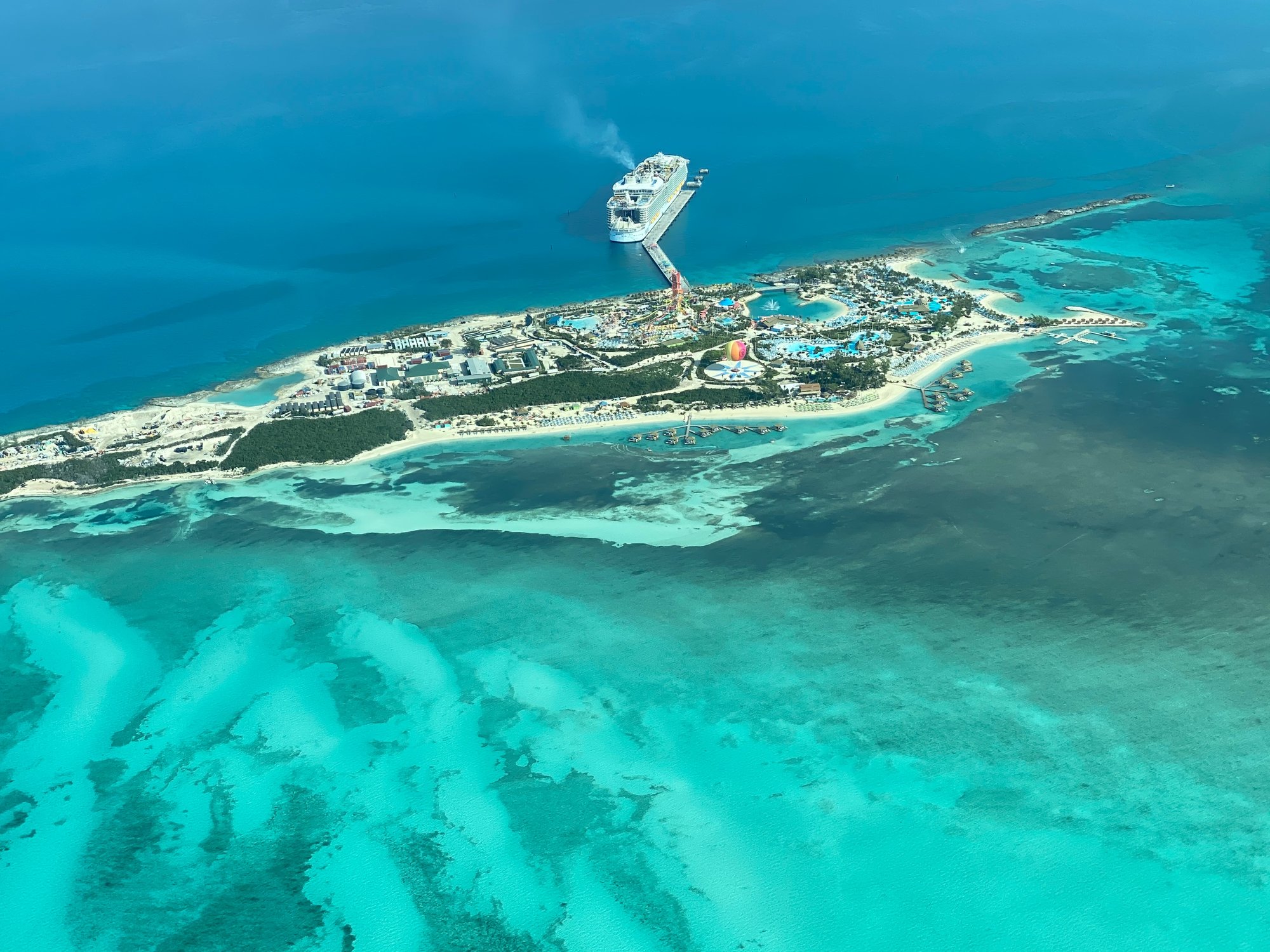 Nature plays a vital role in the beautification of the earth. Many countries and regions of the world are known for their natural beauty. Some have vast oceans and enormous mountains, while others have large plateaus or dormant volcanoes. Such geological features offer scenic views and unique histories to ponder the existence of nature’s wonders.
With oceans expanding from one part of the world to the other, the Atlantic Ocean is fascinating as it is more than just an ocean. It provides a soothing beach view and is also rich in volcano hotspots and island chains.
Places like Hawaii and Bermuda are popular for their unrealistic natural phenomenon and picturesque beauty. However, the ocean also offers sites where you can spend your vacations and rent or buy a house. These oceanic residences are found on islands in the Atlantic.
One of the popular and well-known islands of the Atlantic Ocean that is a must-visit is the island of Inagua, Bahamas. Let’s take a closer look at what this place has to offer.
Location:
The island is located in the Atlantic Ocean at the southern end of the Bahamas, stretched across roughly 1679 square kilometers. Though Inagua is large, it consists of only one district known as the Matthew Town, located on the island’s southwestern tip with a small population not greater than 1500.
History:
The island’s history dates from around 500 CE to 800 CE when the Lucayans, the original settlers, arrived while crossing from Cuba in canoes to the Bahamas. Inagua’s name was mainly derived from the Spanish word ‘Henegua’ meaning water is found here.
In the early 1600s, the region served as a business for producing and extracting salt to send to the Spanish. However, the trading of salt started in 1803. After World War 1 in 1918, the salt business was abandoned due to the decline in the price of salt. Later in the 1930s, the salt business was purchased by the Erickson brothers from Massachusetts. They developed the land by opening offices, and constructing and restoring buildings; the larger island was then bought in the 1950s by Morton Salt, consisting of 80 pounds of salt which has now become one of the largest operations in North America.
The Great Inagua:
It is one of the largest islands of the Bahamas located at the south-eastern end with a length of 64 kilometers and a width of 32 kilometers, making 40 and 20 miles respectively, and has a population of 1200. Half of the island is covered by a national park and is popular for the Morton salt crystal factory. It offers various sites to visit and participate in activities.
If you plan to live on this island or spend a vacation, here are some of the activities that can keep you busy and entertained:
Bird Watching:
The great island consists of a large wetland sanctuary of flamingos with a population of 80,000. Other species of birds such as parrots, spoonbills, pelicans, pintail, egrets, and wood-star are also found in the vicinity of the grounds. You can visit this reserve along with a guide and enjoy your stay.
The Lighthouse:
Many ships in the past were destroyed in the reefs along the shore of the island. Hence, the location was set to build a lighthouse to prevent similar incidents in the future. The structure is tall and white with a height of 133 and a visibility of 17 miles. If you plan to stay or settle in the town, the tower is a must-visit as you can climb up to reach the top. It offers beautiful panoramic and scenic views of Mathew Town and its surroundings.
Union Creek Reserve:
Inside the reserve, endangered species of green turtles are raised and released into the ocean. However, this site is mostly closed to the public for the safety of the turtles. Horses, donkeys, and wild hogs are also a few inhabitants seen around the island.
Little Inagua:
The island is a small part of the north coast of the great island, 8 kilometers towards the north with an area of 78 square kilometers. It has no population, but there is ample birdlife, and animals such as donkeys and wild goats are often seen here.
These jaw-dropping islands in the Atlantic are dreamy destinations to live in. If you plan to buy a house closer to nature, this place is a perfect fit for you.
Call Island Property Group at 1-800-659-6519 to help you buy an affordable and contemporary home on the island. Our specialists in real estate are experienced and have extensive knowledge of the area. They can offer you the best deals on the real estate and oceanfront properties of the Bahamas.
Frequently Asked Questions
Where is Inagua and what makes it different?
Inagua is the southernmost inhabited island of the Bahamas, roughly 55 miles from Cuba and 350 miles southeast of Nassau. Great Inagua covers 596 square miles — the third-largest island in the country by landmass — but is home to just 850 people, making it among the least-densely-populated. Inagua is best known for three things. First, the Inagua National Park covers nearly half the island and hosts over 80,000 West Indian flamingos — one of the largest breeding colonies in the Western Hemisphere. Second, Morton Salt operates a massive salt production facility with over 12,000 acres of salt ponds. Third, the island is a premier destination for birdwatchers, with Bahama parrots, herons, egrets, and Bahama pintail ducks in abundance.
Is Inagua a realistic place to buy a vacation home?
For most buyers, no — and that’s the honest answer. Inagua’s tourism infrastructure is minimal: one small hotel, limited dining, basic medical services, and weekly or less-frequent flights from Nassau. Property inventory is extremely limited with fewer than 10 active listings at most times. Insurance for hurricane-prone southernmost Bahamas property is difficult and expensive. For birdwatchers, salt industry professionals, and buyers who specifically want the most remote Bahamian experience possible, Inagua is genuinely unique. For typical vacation-home buyers, Abaco, Eleuthera, Bimini, or Exuma deliver more usable enjoyment with better liquidity.
Can foreigners buy property on Inagua?
Yes, under the standard International Persons Landholding Act framework. Non-Bahamians buying a single-family home or residential parcel under five acres need only post-closing registration with the Investments Board. Larger parcels require a prior permit, which is particularly relevant on Inagua where vacant-land transactions often involve multi-acre tracts. Same tax structure applies across the Bahamas: 10% VAT on conveyance (typically split with seller), annual Real Property Tax at 0.75% to 1.5% for investment properties (with the $300,000 owner-occupied exemption), no income/capital gains/inheritance tax.
What are the ongoing costs of owning property on Inagua?
Annual carry is lower than more popular islands — smaller assessed values mean smaller property tax bills — but logistics costs are higher. Budget for: annual Real Property Tax (typically low given Out Island assessed values), property insurance (hurricane coverage is expensive and sometimes unavailable for older construction), property management (essential for absentee owners and more expensive given remoteness), utilities (electricity from BPL, water from cisterns, internet via Starlink), and maintenance reserves. Budget also for regular travel to and from the property — infrequent flights mean many owners maintain Nassau or Florida bases and visit Inagua in multi-week blocks rather than weekends.